Vehicle access is usually the least-planned part of a security rollout — until traffic backs up at the gate every morning. Here's what to actually specify when you're automating a corporate campus's parking and entry.
Barrier Type and Duty Cycle Matter More Than Brand
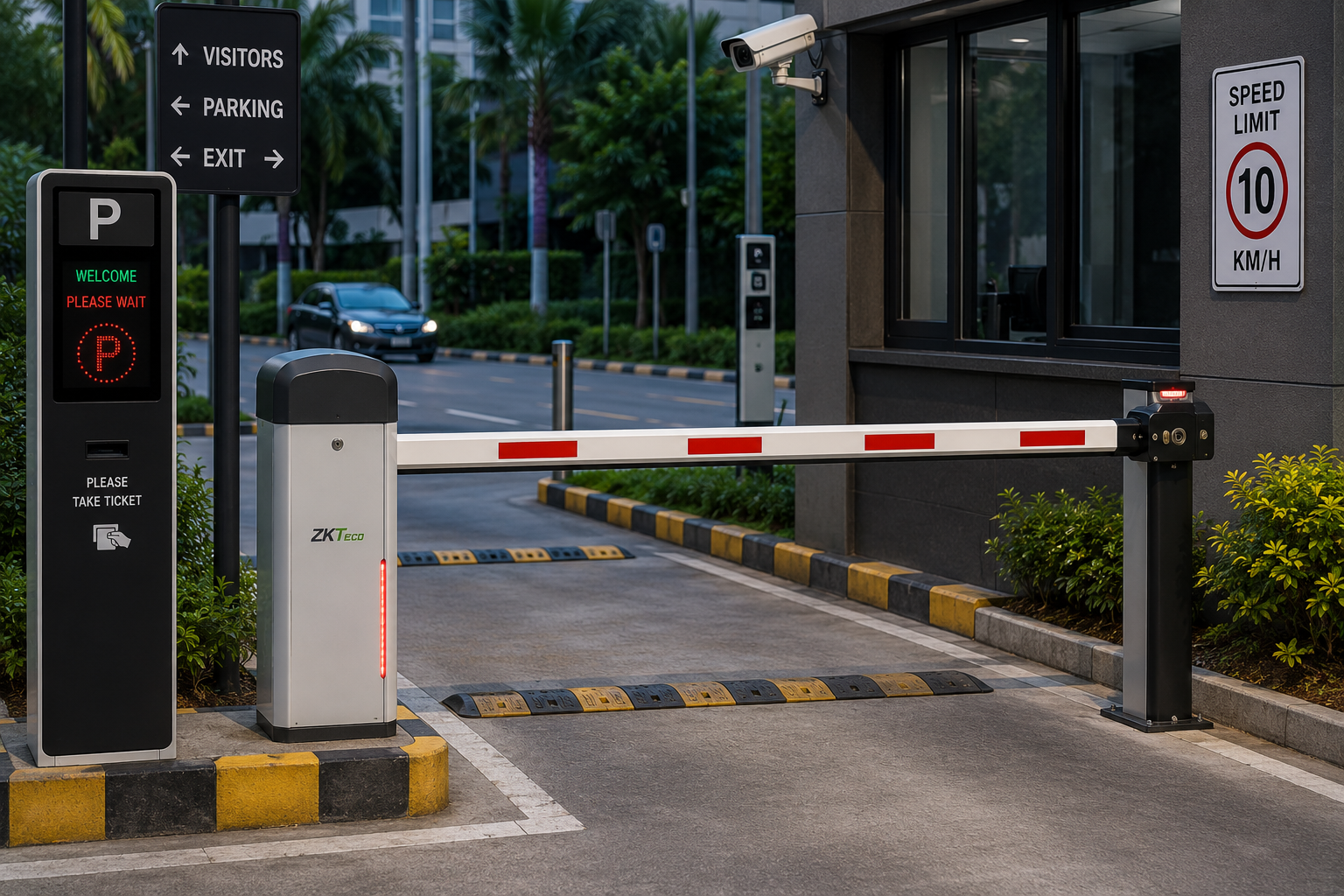
Boom barriers are rated by duty cycle — how many open/close operations per hour they're built to handle continuously. A barrier sized for a residential gate will fail fast at a corporate entrance with hundreds of vehicles during shift-change. Match the duty cycle to your actual peak traffic, not your average.
What ANPR Solves — and What It Doesn't
Automatic Number Plate Recognition logs every vehicle automatically and can trigger the barrier for pre-registered plates without a guard's involvement. What it doesn't solve on its own is visitor and vendor traffic — for that, you still need a ticketing or app-based pass system layered on top.
Visitor Ticketing Options
- Print-and-scan tickets: Simple, low-cost, works well for low visitor volume
- App-based QR passes: Pre-registered by the host before the visitor arrives, scanned at the barrier
- Guard-assisted entry: Still necessary as a fallback for unregistered or unusual arrivals
Parking Guidance for Multi-Level Structures
For campuses with limited parking, slot-level occupancy sensors and simple red/green indicator signage at each level entrance cut down the time vehicles spend circling for a space — which is often the actual cause of gate backups, more than the barrier itself.
The barrier is rarely the bottleneck. The bottleneck is everything you didn't plan around it.
A Buyer's Checklist
- Peak vehicles per hour, not daily average
- Barrier duty cycle rated above that peak
- ANPR for regular vehicles, ticketing for visitors
- Backup power for the barrier and camera during outages
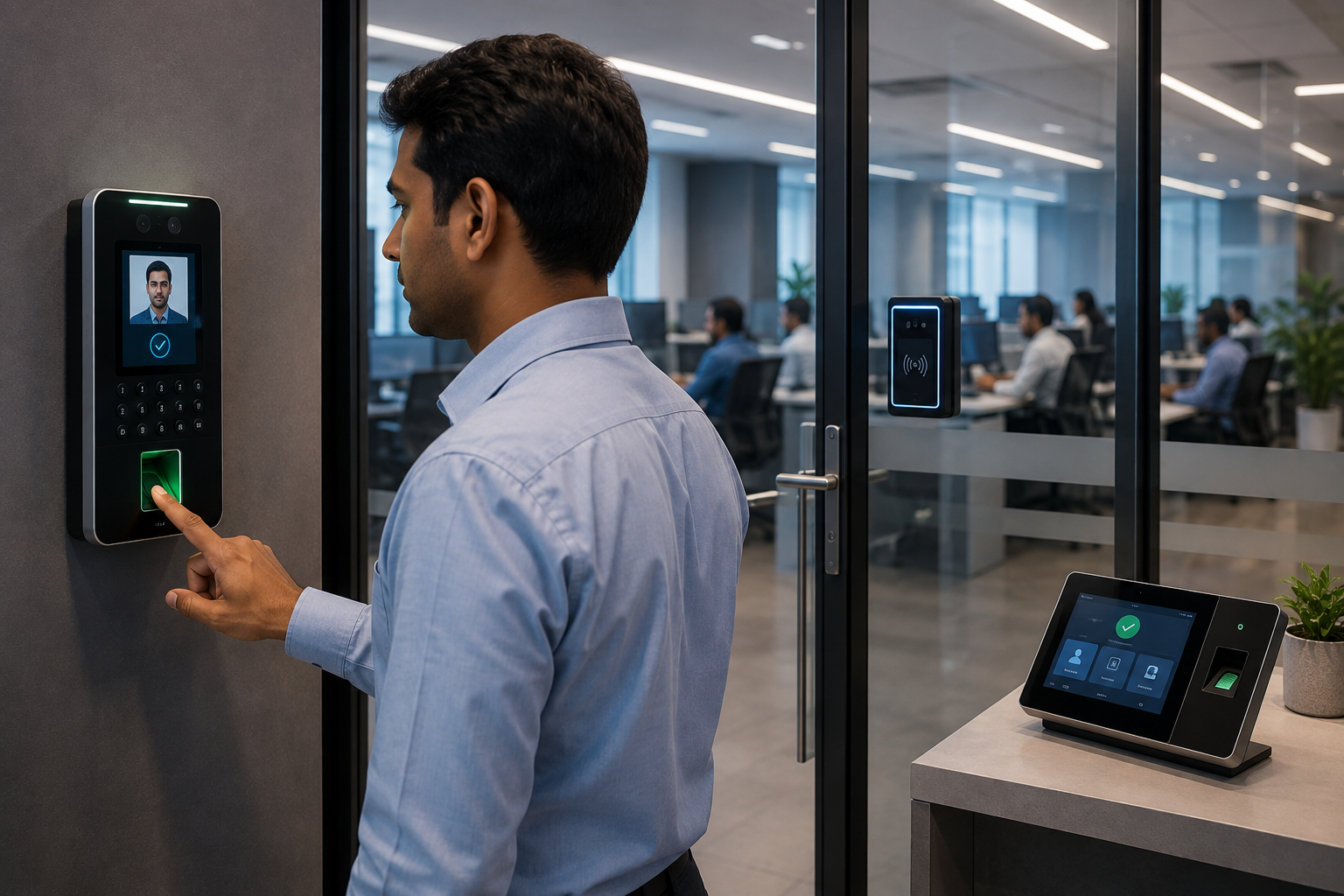
- Integration with your existing access control system, not a standalone island
Planning your campus's vehicle access?
Talk to Our Engineers